Understanding the Legacy of Friday the 13th
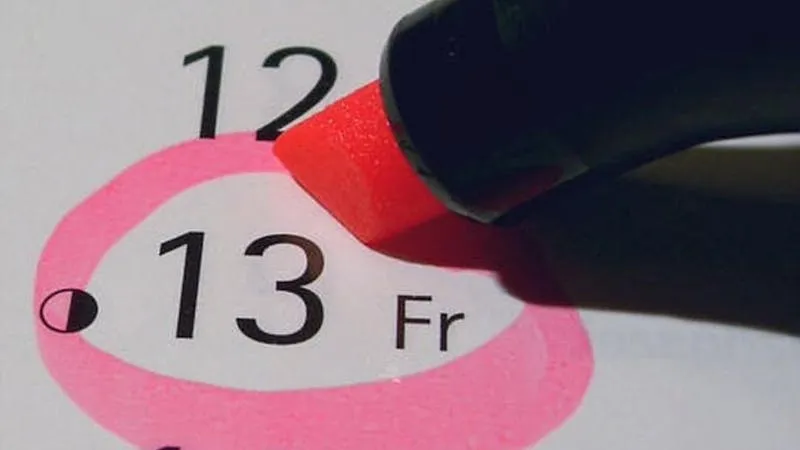
Friday the 13th is widely regarded as an unlucky date, a belief that has permeated various cultures for decades. This superstition is rooted in historical events and literary works, most notably the 1907 novel ‘Friday, the Thirteenth’ by Thomas W. Lawson, which depicted a stockbroker’s scheme to cause a market crash on this date.
As we approach March 13, 2026, the second of three Friday the 13ths in that year, the cultural significance of this date continues to resonate. The fear associated with it, known as paraskevidekatriaphobia, remains prevalent among many individuals, with some opting to avoid activities deemed unlucky.
Impact on Entertainment
The influence of Friday the 13th extends beyond superstition into the realm of entertainment. The first ‘Friday the 13th’ film was released in 1980, introducing audiences to the iconic character Jason Voorhees. Since then, the film series has produced a total of 12 films, solidifying its status in horror cinema.
Moreover, the date’s prominence is not limited to films. It has also inspired music and video games, such as the 2017 release ‘Friday the 13th: The Game,’ where players can control either camp counselors or Jason himself. This cross-media presence highlights the date’s enduring legacy in contemporary entertainment.
Expert Perspectives
Experts note that the fascination with Friday the 13th is unlikely to diminish. “If the date brings you uneasiness, buckle up,” suggests one commentator, emphasizing the psychological impact it holds for many. The fact that a single date appears in various entertainment forms underscores its cultural importance.
As the date approaches, discussions around its significance often arise. “The fascination with the date isn’t going away, no matter if one chooses to celebrate with horror movie marathons or avoid shattered mirrors,” another expert remarked, reflecting on the diverse ways people engage with the superstition.
In summary, Friday the 13th serves as a powerful cultural symbol, intertwining historical narratives with modern entertainment. Its legacy continues to shape perceptions and experiences, making it a date of both fear and fascination for many.