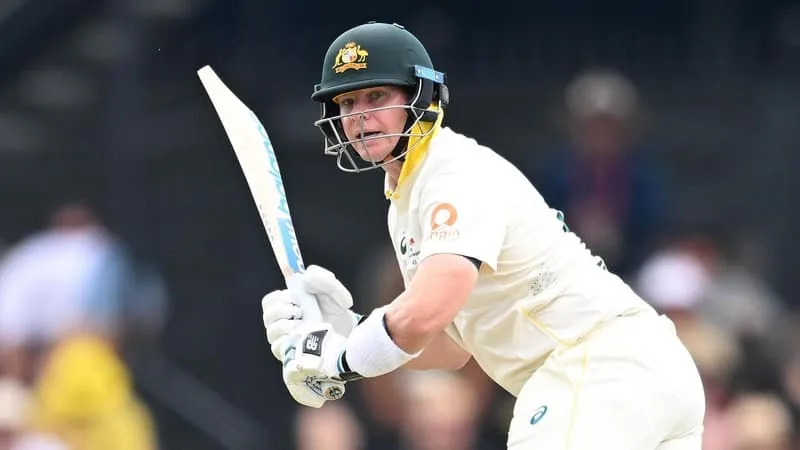
Steve Smith has acknowledged making contact with the ball during a caught-behind appeal in the first Test against Bangladesh at Marrara Stadium in Darwin. The incident occurred on day one, with Smith at seven runs in the 21st over. Ebadot Hossain bowled a delivery that prompted an appeal from Bangladesh after it carried to wicketkeeper Litton Das, but umpire Kumar Dharmasena ruled it not out.
Bangladesh opted for a review, and Smith began walking towards the pavilion, seemingly expecting to be dismissed. However, the review technology, Real Time Snicko, did not detect any spike as the ball passed his bat. The original not-out decision was upheld, and Bangladesh lost one of their two reviews for the innings.
Smith’s post-match comments
During the post-match press conference, Smith confirmed his belief that he had edged the ball. When asked if he felt lucky to survive the review, Smith agreed, stating, “I was lucky? Yeah, it seems that way. Yeah. You got to take it sometimes.”
He also commented on the reliability of the DRS technology, noting that it is “normally pretty good.” Smith added, “Maybe I didn’t nick it. I don’t know, but I certainly felt something. If I had been given out, I was going to walk off. But yeah, technology saved me today, I guess.”
Smith’s let-off proved significant as he went on to score 71 runs, which was the highest individual score for Australia in their innings. Bangladesh eventually bowled Australia out for 198, with fast bowler Hasan Mahmud taking a career-best haul of six wickets.
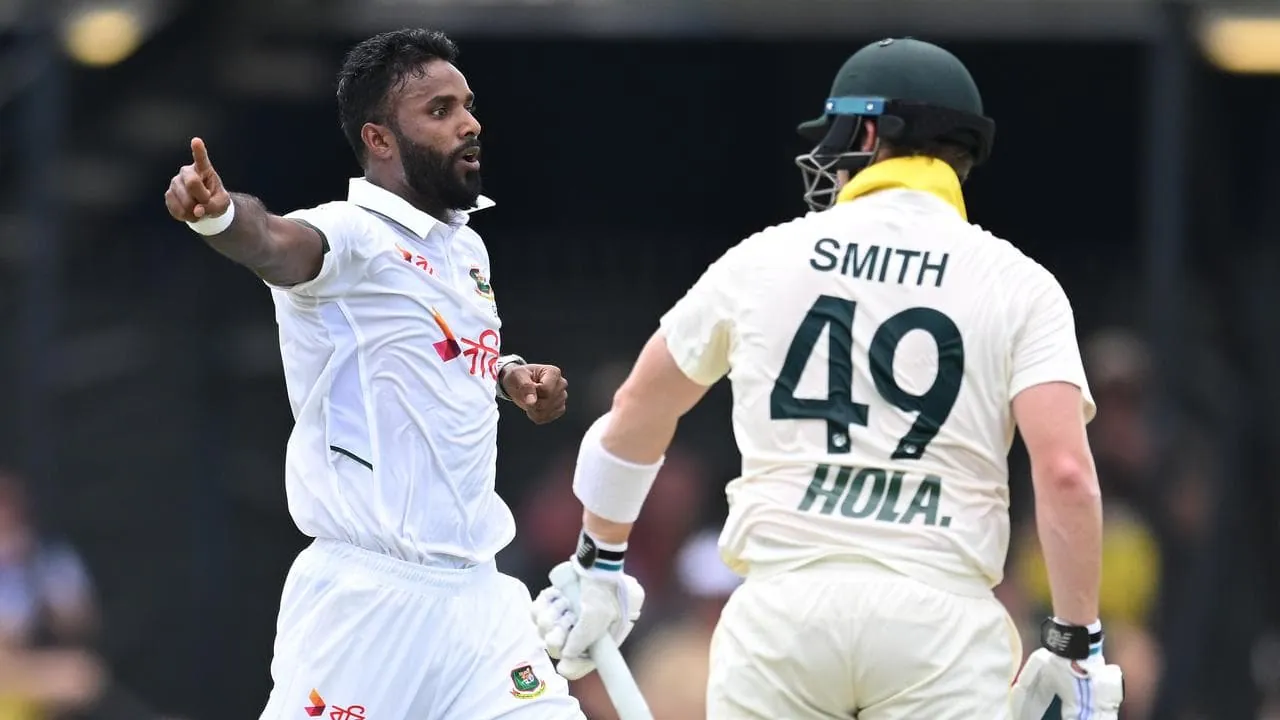
This incident has contributed to ongoing discussions about the technology used in Australia. A former Australia captain mentioned in December during the Ashes series that the technology used in Australia is not as effective as that in other countries, and that umpires also express a lack of trust in it.
Other fortunate moments for Smith
The caught-behind controversy was not the only instance of good fortune for Smith during his innings. Earlier, when he was on two runs, he survived a dropped catch at third slip by Tanzid Hasan Tamim. Despite getting both hands to a thick edge, Tamim was unable to hold onto the ball, which was a missed opportunity for Bangladesh.
Smith capitalised on these reprieves, building his innings to reach his 45th Test half-century. His wicket was eventually taken by Hasan Mahmud, who dismissed him with a short delivery outside off stump. Smith attempted an upper cut, but extra bounce caused him to mishit the shot, and Litton Das completed the catch in the slip cordon.
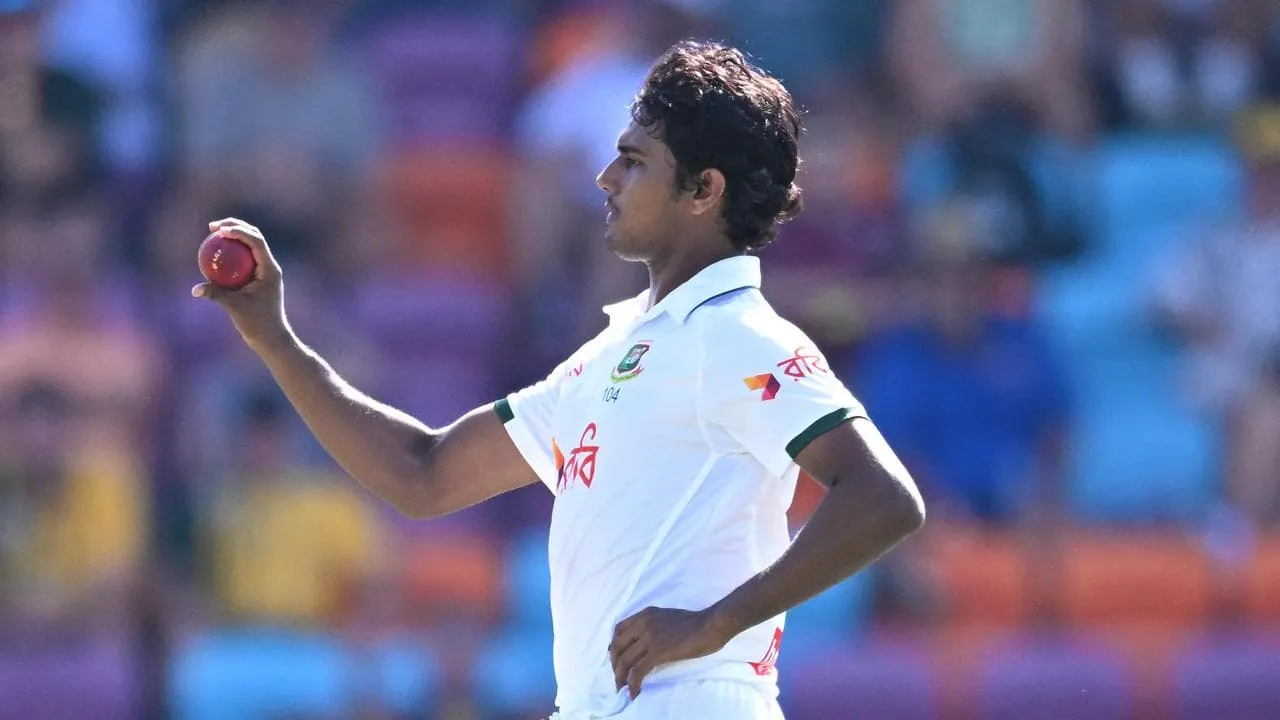
Hasan Mahmud, who achieved figures of 6-55, was a key bowler for Bangladesh. He noted that the bowling group viewed the invitation to bowl first as a “great opportunity.” Questions were raised about Australia’s decision to field first, given their strong bowling attack.
Smith stated he was unsure why captain Pat Cummins chose to bat first in the challenging conditions. He suggested that the early part of day two could present a good opportunity for Australia’s bowlers to take wickets. Bangladesh is set to resume day two at 1-96.
Smith described the initial conditions as “tricky,” with the wicket being “a bit tacky” and the ball seaming significantly. He felt that Bangladesh bowled effectively during the morning session, making it a challenging period for the batsmen.
The wicket was initially thought to be “rock hard” but became “a bit tacky” due to dew. Smith indicated that it would be interesting to see the conditions on day two morning, noting that the wicket hardened as day one progressed, and if it softens again, batting could be difficult.
Source: sports.yahoo.com