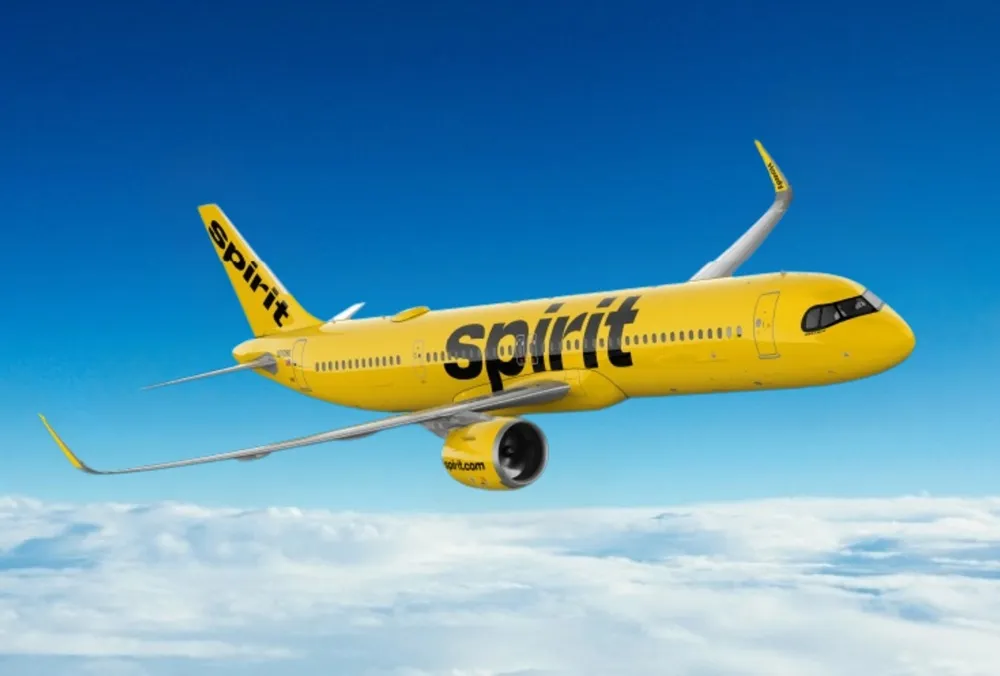
Spirit Airlines has announced the commencement of an orderly wind-down of operations, effective immediately. As of early Tuesday, all Spirit flights have been cancelled, stranding thousands of passengers.
This abrupt shutdown raises significant questions about the future of ultra-low-cost carriers in the airline industry. The immediate cause appears to be a sharp rise in jet fuel prices and ongoing operational pressures.
Spirit Airlines has struggled financially since 2019 and has not made a profit since then. The airline entered bankruptcy proceedings for the second time in less than two years, signaling its precarious financial state.
Before its closure, Spirit employed about 17,000 people and had scheduled approximately 4,000 flights through May 15. Officials have indicated that the shutdown was expected after a needed government bailout was not provided.
Dave Davis, a spokesperson for Spirit Airlines, stated, “For more than 30 years, Spirit Airlines has played a pioneering role in making travel more accessible and bringing people together while driving affordability across the industry.” However, he acknowledged that recent increases in oil prices have significantly impacted the airline’s financial outlook.
Sean Duffy from the U.S. Department of Transportation advised travelers affected by this cancellation: “If you have a flight scheduled with Spirit Airlines, don’t show up at the airport – there will be no one here to assist you.” This highlights the extensive travel disruptions caused by this sudden shutdown.
The full extent of the impact on travelers is still unclear as many scramble to find alternative arrangements. With Spirit’s departure from the market, questions loom about how this will affect competition among low-cost carriers.
The airline’s closure is a stark reminder of how rising operational costs can dramatically reshape the landscape of air travel.