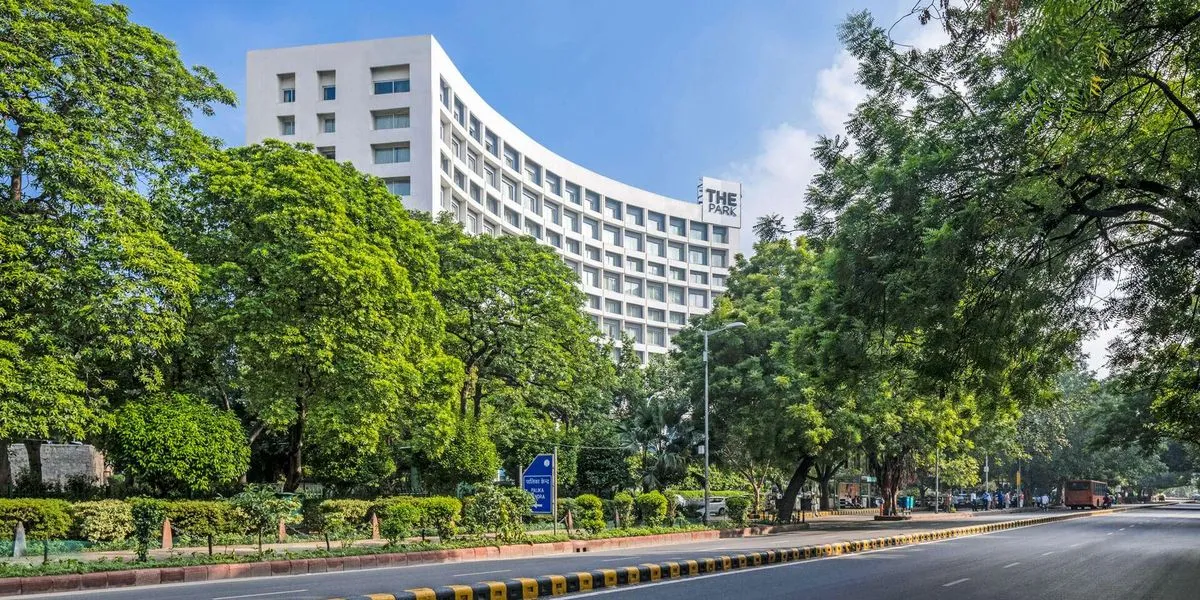
On March 31, 2026, ASPHL, part of the Apeejay Surrendra Group, launched three hotels across India’s leisure destinations, including the much-anticipated Zone by The Park Darjeeling. This marks ASPHL’s strategic entry into the picturesque hill station of Darjeeling, known for its tea plantations and breathtaking views.
As the launch unfolded, the political landscape in Darjeeling began to heat up. The region, which has a combined population of approximately 0.875 million across Darjeeling, Kurseong, and Kalimpong, is gearing up for significant elections. The ruling Trinamool Congress (TMC) has earmarked three seats for its ally, the Bharatiya Gorkha Prajatantrik Morcha (BGPM), intensifying the competition with the Bharatiya Janata Party (BJP), which has dominated the Darjeeling Lok Sabha seat for four consecutive terms since 2009.
Vikas Ahluwalia, representing ASPHL, stated, “The simultaneous launch of these three hotels underscores our commitment to growth and the diversification of our portfolio.” This expansion is not just a business move; it reflects a growing interest in the region as a tourist destination, which could have significant economic implications for the local community.
As the political climate shifts, local leaders are vocalizing their concerns and aspirations. Ruden Sada Lepcha, the incumbent MLA defending his Kalimpong seat as a BGPM candidate, emphasized, “People of Kalimpong will vote for development as they are tired of the promises BJP has been making since 2009.” This sentiment resonates with many voters who are eager for tangible progress rather than political rhetoric.
In contrast, BJP representatives are rallying support by highlighting issues of governance. Sonam Lama, a BJP spokesperson, remarked, “Corruption in the GTA administration is a key issue. People know that only BJP can ensure good governance.” This statement underscores the party’s strategy to leverage local grievances to gain electoral traction.
Furthermore, Anit Thapa, leader of the BGPM, criticized the BJP’s long-standing claims regarding the protection of the region’s identity, stating, “We are asking people to vote for development. The BJP has been fooling the Gorkhas since 2009 by claiming it wants to protect the region’s identity.” This ongoing political discourse is critical as it shapes voter sentiment ahead of the elections.
As of now, the political landscape remains charged, with the TMC announcing 291 candidates for Bengal’s 294 constituencies, indicating a robust campaign strategy. The outcome of these elections will not only determine the political future of Darjeeling but also impact local businesses, including new ventures like ASPHL’s hotel.
With the hotel launch coinciding with rising political tensions, the stakes are high for both ASPHL and the local electorate. The interplay between economic development and political dynamics in Darjeeling will be closely watched as the region approaches the elections, with implications that could resonate far beyond its scenic hills.