Previously, expectations for India’s monsoon were cautiously optimistic, with predictions suggesting near-normal rainfall. However, the Indian Meteorological Department (IMD) has now issued a stark warning: the 2026 monsoon is likely to be below normal, with rainfall expected to reach only 92% of the long-period average (LPA) of 87 cm.
This marks a decisive moment, as the IMD has indicated for the first time in 11 years that the southwest monsoon will not meet the expected levels. The forecast is heavily influenced by climate signals, including a transition from La Niña to a possible El Niño, which could further exacerbate the rainfall deficit.
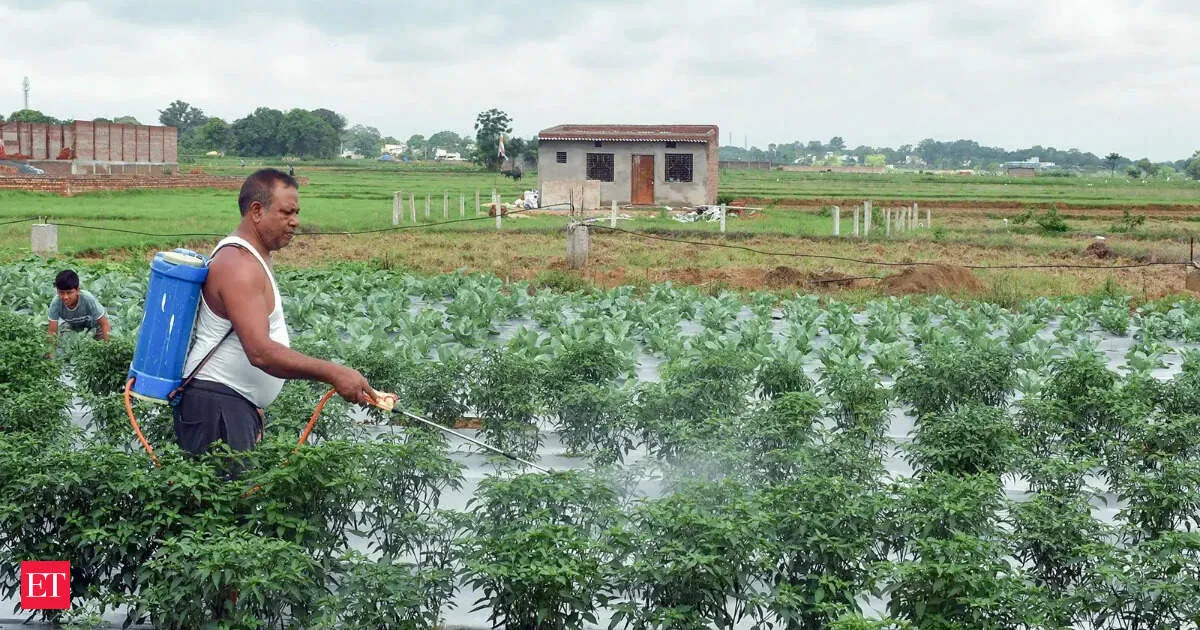
The implications of this forecast are significant for various stakeholders. Farmers, who rely heavily on monsoon rains for their crops, are likely to face challenges in the upcoming season. The last experience of reduced monsoon rainfall occurred in 2023, when the IMD had warned of near-normal rainfall at 96% of the LPA, but this year’s forecast paints a much grimmer picture.
In 2015, a similar warning of below normal rainfall at 93% of the LPA turned out to be an underestimate, with actual rainfall recorded at just 86%. This historical context raises concerns about the reliability of forecasts and the potential for severe impacts on agriculture and water supply.
Experts are now closely monitoring the situation, as the shift in forecast could lead to increased scrutiny on water management practices and agricultural planning. The IMD’s warning serves as a critical reminder of the unpredictable nature of climate patterns and their direct effects on the livelihoods of millions in India.
As the country prepares for the monsoon season, the urgency of addressing these climate challenges has never been more apparent. Stakeholders are urged to adapt their strategies in light of the new forecast, as the repercussions of inadequate rainfall could ripple through the economy.
Details remain unconfirmed, but the IMD’s forecast underscores the need for proactive measures to mitigate the effects of potential drought conditions. The coming months will be crucial in determining the actual impact of this forecast on India’s agricultural landscape.