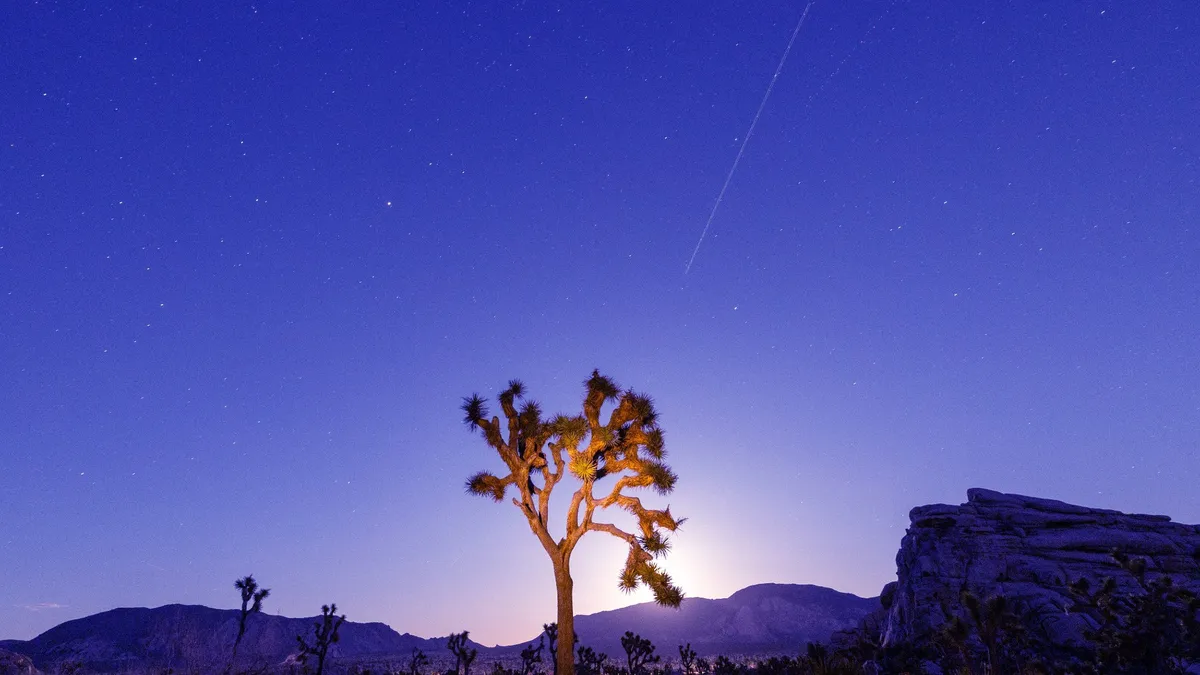
The Lyrid meteor shower peaks from April 21 to April 22. This celestial event offers a chance to see up to 15–20 meteors per hour under clear conditions.
As of early Tuesday, observers in the UK are poised for an impressive display. The meteors appear to originate near the constellation Lyra, close to its brightest star, Vega.
The Lyrids have been observed for more than 2,700 years. They are among the oldest recorded meteor showers, with historical observations dating back to 687 BC.
This year, the Lyrids are active from April 16 to April 25. The best viewing time is after midnight when the radiant rises higher in the sky.
Observers can expect fast and bright meteors—often leaving glowing trails across the night sky. Under ideal conditions, some may even see as many as 100 meteors per hour.
Details remain unconfirmed regarding the precise visibility across different regions. However, excitement builds as skywatchers prepare for this annual spectacle.
For optimal viewing, it is recommended that individuals allow about 30 minutes for their eyes to adjust to darkness.
The Lyrids are a product of Comet C/1861 G1 Thatcher. This connection adds a layer of intrigue to the event, linking ancient observations with modern science.