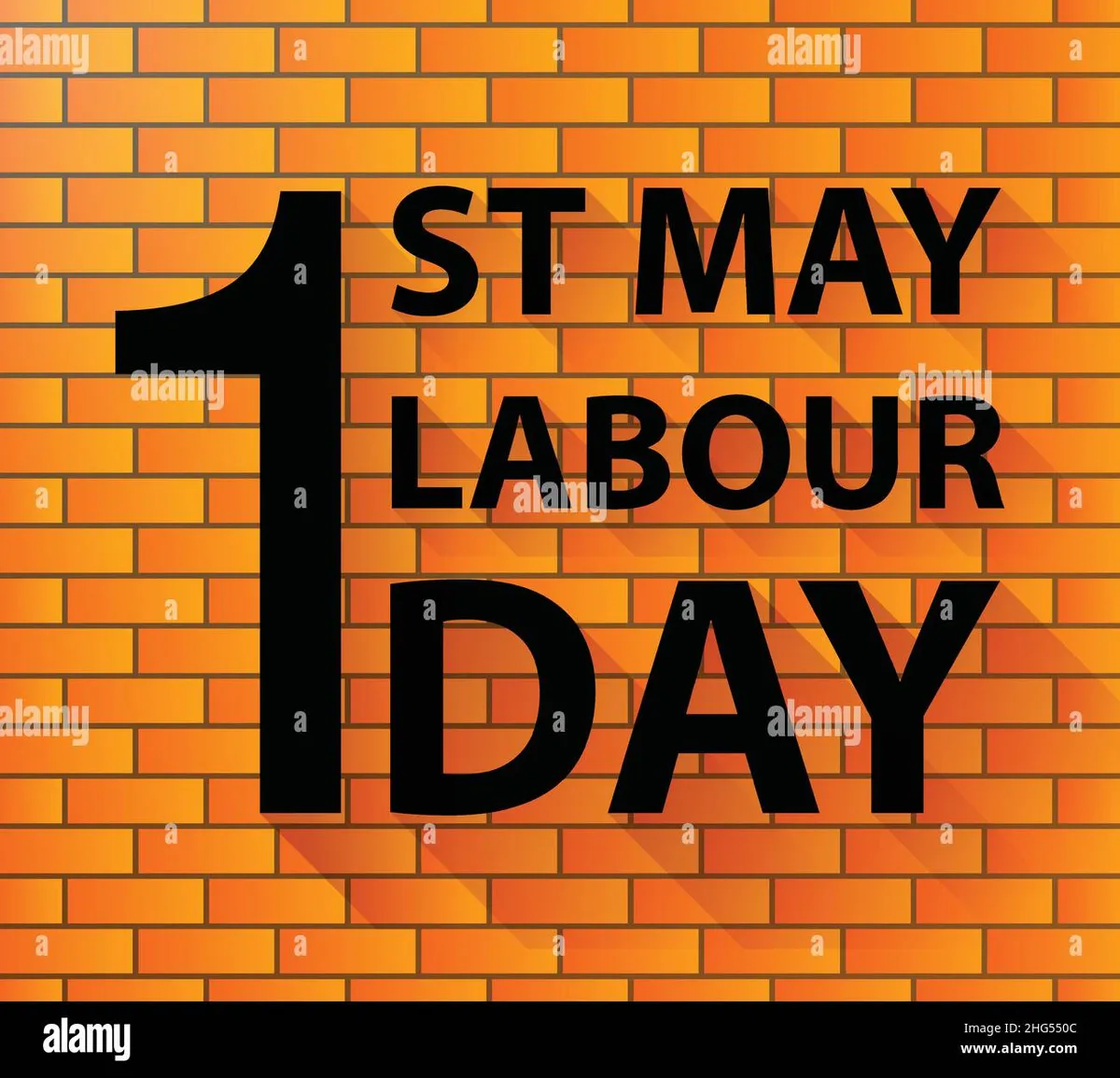
On May 1, Labour Day rallies are taking place worldwide. These events focus on protests against rising energy prices and advocate for workers’ rights amidst fears of a global recession.
Labour Day, also known as International Workers’ Day or May Day, celebrates the contributions of workers. It originated in the US during the 1880s when laborers protested for an eight-hour workday.
As of early Tuesday, significant demonstrations are reported in South America, Europe, and Asia. Trade unions are leading these rallies, voicing concerns over income inequality and economic hardships.
In Gaza and the West Bank, approximately 550,000 workers face unemployment. The Palestinian General Federation of Trade Unions is actively participating in the protests.
Key statements from leaders:
- The European Trade Union Confederation stated, “Working people refuse to pay the price for Donald Trump’s war in the Middle East.”
- Josua Mata remarked, “Every Filipino worker now is aware that the situation here is deeply connected to the global crisis.”
- Renato Reyes noted, “There will be a louder call for higher wages and economic relief because of the unprecedented spikes in fuel prices.”
The day emphasizes dignity and fair treatment for workers. In the US, Labour Day does not serve as a public holiday; however, protests under the slogan “workers over billionaires” are organized.
The International Trade Union Confederation highlighted extreme wealth concentration. Some CEOs reportedly earn over $100 million in pay and bonuses, exacerbating calls for change.
Observers predict that these rallies will continue to grow as economic conditions worsen. The ongoing crisis has intensified demands for better wages and working conditions globally.